Canada’s meeting place for freelance writers and creators
Established 2010
Canada’s meeting place for freelance writers and creators
Established 2010


When an unpaid invoice is gathering dust, and numerous emails, phone calls, threatening letters and even "F*ck you. Pay me" hasn't worked, where is a jilted freelancer to turn?
Our friends south of the border are hoping that they can turn to their government for backup, reports the Star. New York State’s legislative assembly has passed legislation that allows freelancers to file complaints about unpaid invoices with the state Department of Labor. If an investigation determines the claim is legit, the freelancer must be paid the full value of the invoice, plus legal fees and interest. The legislation, called the Freelancer Payment Protection Act, is awaiting a vote in the state Senate.
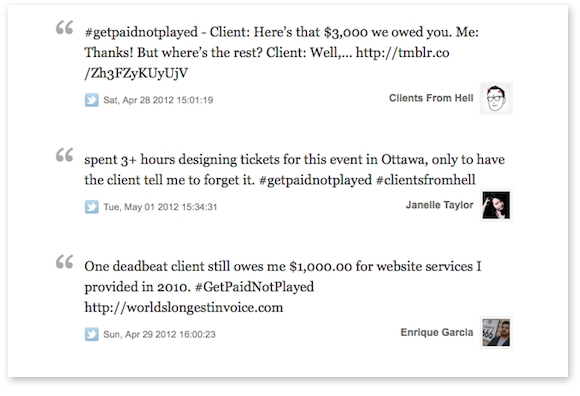
Lobbying on behalf of the legislation is the Freelancers Union, who are compiling the World's Longest Invoice to be presented to lawmakers on May 22. Freelancers can add their outstanding amounts to the tally by tweeting them and adding the #GetPaidNotPlayed hashtag or by visiting WorldsLongestInvoice.com. Today the total soared to more than $15.5 million, with some freelancers claiming to be owed tens of thousands of dollars. The senate shouldn't need too much prodding, though. According to the New York Daily News, the state misses out on about $323 million a year in tax revenue because of unpaid invoices.
Still, until the legislation passes in New York State and everywhere else, freelancers have to fight their own battles. Some of the Freelancers Union's strategies for dealing with unpaid invoices include:
What are your best strategies for handling clients who won't pay up? Is taking legal action worth the time and money? Do you think the kind of legislation being proposed in New York State will effectively deter deadbeats? Leave a comment and let us know.