Canada’s meeting place for freelance writers and creators
Established 2010
Canada’s meeting place for freelance writers and creators
Established 2010


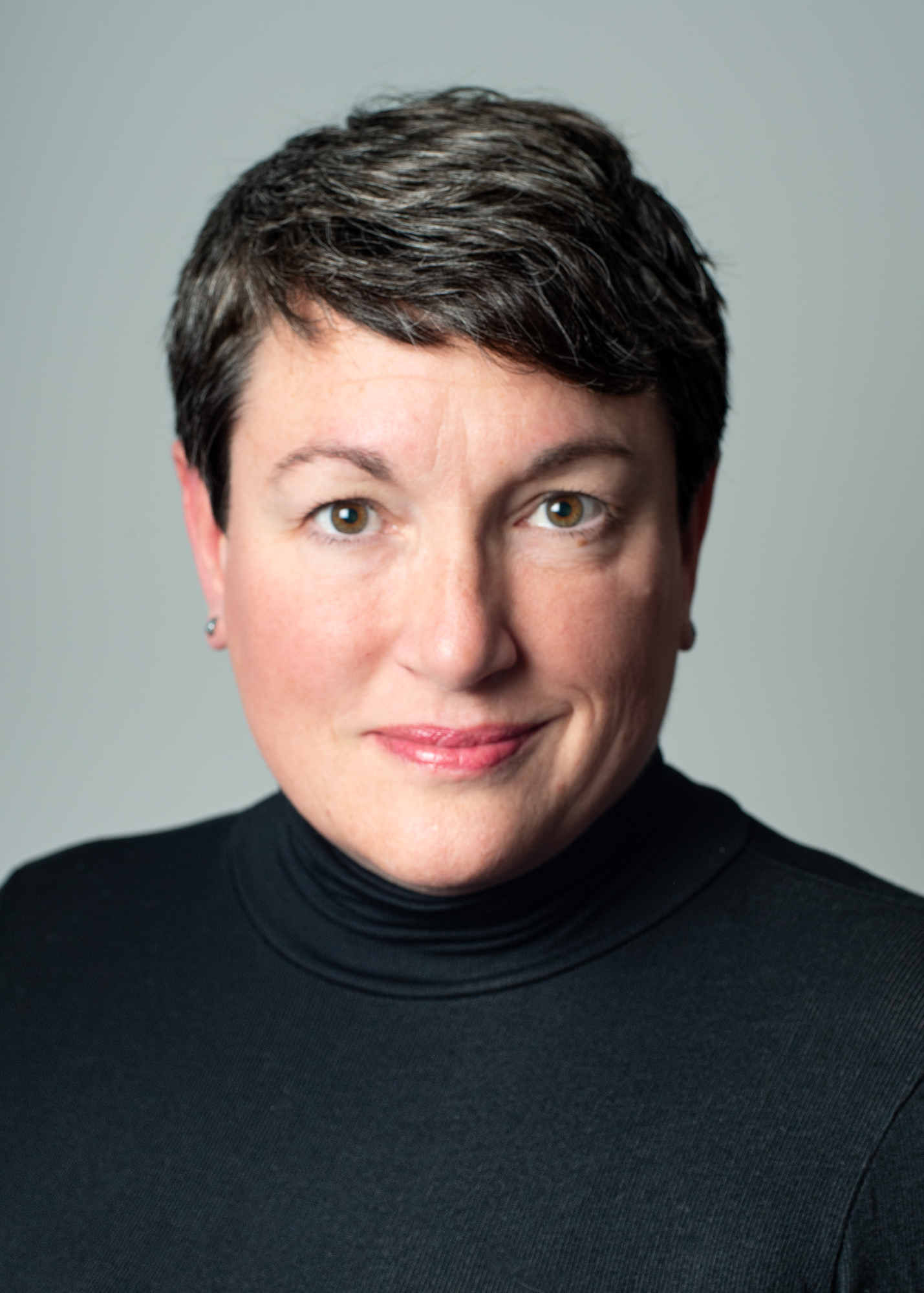
Stacey Newman, president of the Canadian Freelance Guild, is a Canadian photographer, author, journalist and editor-in-chief. She has worked as a freelance media professional for close to 20 years and is currently the managing editor of the trade publication BlockTalk Magazine, as well as an independent contributor to other publications, organizations, and photo agencies across Canada and around the world. She is happiest telling compelling stories about the people, businesses, and events that shape us as individuals, and as a society. She lives in Milton, Ontario with her husband and their fur babies.
I was always interested in being a writer. I began writing as a hobby in grade school in the 1980s. This was primarily in the form of poems and short stories. While I studied some English and Literature in university, I hadn't taken any courses in creative writing. So, in the late 1990s, I enrolled in Creative Writing at Sheridan College. My instructor pushed me to pitch a short story I had written at the time to publishers. It was published by Life Rattle Press. I read the story on CBC Radio 1, and I was invited to present my story aloud at the International Authors Festival. While I had brought my interest in writing to all of my "real jobs" at the time, in one way or another, the feedback I received about my short story boosted my confidence in my writing ability and prompted me to begin practising my writing as a daily rule. The more I worked on writing projects, the more writing projects seemed to come my way. I was freelancing on the side of my office jobs at the time. But in 2003, with the support of my husband, we were just newlyweds that year, I jumped into freelancing full time.
Working on long-form features on fascinating topics such as the economic and environmental ramifications of commercial ice production, shooting content for Getty Images in London around Lady Catherine and Prince William's wedding in 2011, touring food processing plants is super interesting, and I regularly shoot film festival coverage. As a film lover, I am especially thrilled about the work that I get to do covering independent filmmakers like Zacharias Kunuk.
Some of the most moving experiences I have had were about life and death. These included photographing births in hospital, and photographing people and animals in the last days of their lives. I didn't know how I would feel about these kinds of projects, but I am somehow very good at documenting these moments, and I feel humbled to have earned the trust of the subjects and their families.
Over the years, the most important decisions I made in my freelance career involved simply saying, "Yes!" to opportunities. Even when opportunities scared me, and even when they were boring, I still said yes. Every writing project or assignment offered a learning experience, something for the portfolio, and new knowledge. I was also, inadvertently, running my own business without realizing it at the time. My willingness to take on projects of almost any type is why I was able to diversify so well at a time when it wasn't the norm.
I love working with just about anyone in any industry. I seem to be insatiably curious, which in turn allows me to be energetic about the work. I have accumulated a ridiculous amount of general knowledge, so I would certainly refer to myself as an expert generalist!
I sometimes marvelled at my more conventional media colleagues who had taken jobs with one big outlet or paper or television station and wondered if I was making a mistake by working as an independent media professional. But I knew that I needed the diversity of projects. I realize now that was a decision more than just circumstance.
Today, I do have a rainy-day fund. I have worked with an accountant for many years, and having so many sources of payment, several of which are international, has made freelancing an accounting nightmare at times. I also have an incredibly supportive husband and family who have always helped me along in my career. It truly takes a village to raise a freelancer.
Even so, I still have times of both feast and famine. I have had years of very poor income, and then I have had years of so much income and so many projects on the go that I was doing very well.
Because of how things have turned in the global media landscape over the last decade, I feel that I am now reaping the benefits of having diversified so early on in my career. I am fortunate and very grateful. I also work really, really hard.
I have always felt that undercharging for my work harmed my freelance colleagues as much as me. Having said that, I definitely have worked for free or as a volunteer at times. But one of my personal and professional rules is to value my time and my work, and to value others in the same way. Freelancers should never feel bad getting paid.
Quoting is still something that I cannot do consistently. Every project and organization is unique with so much nuance. So, my starting point with a new client or project is to have a really open conversation with the prospect about their needs, their expectations, and their budget. Then we go from there.
I'm a stereotypical nighthawk and a full-time freelancer, so every week is different from the last. I don’t do early mornings as a rule, but when a job demands an early morning of me, I bring my camera because early mornings are pretty gorgeous!
You could say that I don't really have a weekly routine. What I do have is structured workflows depending on the projects that I am working on. My projects have almost always come to me via word of mouth, or following a pitch that I've submitted. Relationship management is central to both.
I tend to track my time by project. I tend to invoice for the scope of a project, broken down into components if necessary, rather than hourly rates. I prefer to quote upfront flat fees and adjust when things pop up.
I have always worked in a PC environment. I never made the switch to Mac. I am not a "joiner" when it comes to technology. I use the usual apps, MS Office/Microsoft 365, Google and Dropbox, Adobe PS, Lightroom, and Acrobat Pro. Like most of us, I feel like I have too many email addresses.
As a professional news and assignment photographer, I have invested in professional Nikon camera gear, lenses, lighting, etc.
I don't know if I could name a project that I am most proud of. I am very proud of leading three national publications that won awards. I was awarded a King Charles III Coronation Medal in 2025 for my work in our community of Milton, Ontario. I'm proud of that, but I'm most proud when the work that I do actually helps someone. I think my main driving force is a need to contribute and to do an exceptional job at whatever I take on.
As I look back at the breadth of my work as a writer, photographer, editor, and journalist over the last 20 years, I've had the privilege of too many remarkable experiences to name.
I am a storyteller above all else. The keyboard, pen, and camera are all just tools that I use to tell stories. I consider storytelling to be an immense responsibility, and this notion guides all of my work, even the most mundane projects.
I often read about the work done by my colleagues, and this inspires me. I support and champion the work of my colleagues, and it's my hope that I have always done this in my career. I believe there is enough work for us all, and that together we are strongest even though we work independently. That is why I joined the CMG so many years ago and why I am involved in the CFG today.
Find Stacey online!
Website: https://www.staceynewman.ca
LinkedIn: https://www.linkedin.com/in/staceylnewman/
MuckRack: https://muckrack.com/stacey-newman-4
Working the conference circuit doesn’t mean attending everything, every year. It means choosing when to show up and when to step back. It means recognizing that visibility isn’t the same as value, and that rest is not a failure of ambition.
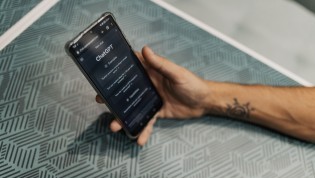
AI isn’t a friend in the way a colleague is. It isn’t a foe in the way a competitor is. It’s a system—powerful, limited, and shaped by how humans choose to use it. What matters isn’t allegiance, but agency. Freelancers don’t need to solve AI or predict its trajectory. They need to think clearly about how it fits into their work, their values, and their accountability to others.
Over the years, we’ve gained some insights on how to do it right, from maintaining productivity to online visibility to ethical errand running. Here are a few tips to help you enjoy the best of this lifestyle.
In a recent Canadian Freelancers Guild workshop on Pitching and the Art of the Follow-Up, freelance writer, editor, and instructor Robyn Roste walked participants through that exact moment—not as a tactical dilemma, but as a professional one. The central idea running through the session was simple but reframing: pitching isn’t a transaction. It’s the beginning of a relationship. And follow-up, done well, is part of that relationship—not a breach of it.
For freelancers curious about teaching but unsure where to start, the full CFG panel on How to Teach What You Know offers candid stories, practical perspective, and reassurance from people who didn’t set out to become teachers, but became effective ones by paying attention to what they already knew.
At a recent panel hosted by the Canadian Freelancers Guild, a group of seasoned freelancers—spanning journalism, design, sound, and content strategy—talked candidly about how they actually got started. Not the polished origin stories, but the real ones: layoffs, rural isolation, career pivots, slow starts, and learning things the hard way. What emerged was a reassuring truth: most freelancers don’t begin with a network. They build one—piece by piece, conversation by conversation.
Many full-time freelancers wake up one day a few years in and realize that this way of working has become a way of life. Less of a stopgap between jobs and more of a satisfying business that you could see yourself continuing to do—forever?
In an era where online visibility can make or break a freelance career, two marketing experts reveal the strategies that actually work—and bust the myths that waste your time and money.
A proper desk space is not a prison, but somewhere you can escape from when you need to. Rest is just as important as productivity, so make sure to factor in that as well when you’re making your space your own.